Introduction: When Office Ads Go Viral, So Do Questions About Trust
If you've been anywhere near tech TikTok or startup X this month, you’ve likely seen Base44’s splashy “vibe-code your app in 5 minutes” office ads. These viral spots promise you can turn a passing idea into an app almost instantly, no dev team needed. But as the clicks and clones multiply, so do pointed questions: Who really owns your data on these AI-made, throwaway apps? Are you trading speed for security?
At DC Codes, we love the energy of no-code and AI-powered builders—after all, we make GetAppQuick, our own AI-fueled rapid app platform. But the current backlash around Base44’s ads reveals something deeper than influencer skepticism: a real anxiety around ownership, privacy, and trust when your app is built by an algorithm instead of a human team.
In this post, we’ll dig into the conversation, share concrete examples from the world of Flutter, TypeScript, and cloud APIs, and lay out practical steps (including how GetAppQuick addresses these concerns) so your next project isn’t just fast—but truly yours.
The Allure (and Risks) of Instant AI App Building
Why Office Ads Hit a Nerve
Base44’s ads are fun, breezy, and undeniably effective. They show regular folks spinning up slick-looking apps in minutes with no code or design skills. For founders, marketers, or students, that’s intoxicating. But here’s the rub: the easier it is to create, the less you may know (or control) about what’s under the hood.
- Where is your data stored?
- Who owns your code and content?
- Are you compliant with privacy laws?
- Can you export or self-host your app later?
These aren’t just academic questions. When AI platforms generate applications on the fly, the technical underpinnings (source code, dependencies, hosting, etc.) can be opaque. This is especially true with free “throwaway” apps, which are often used for quick experiments, hackathons, or MVPs.
The Hidden Complexity in Your “Simple” App
Let’s say you use a tool like Base44 or GetAppQuick to generate a to-do list app. It looks simple, but under the hood:
- User data may be stored in a managed database controlled by the platform.
- The generated code might not be visible or exportable.
- The platform could insert analytics or tracking by default.
- Terms of service may give the builder rights to content or restrict how you use the app.
That’s why technical users and privacy advocates are pushing back. The question isn’t just, “Can I build this app fast?”—it’s, “Who ultimately controls it?”
Data Ownership: What Does It Really Mean?
Legal vs. Practical Ownership
Most AI-driven app builders claim you “own your app.” But ownership is nuanced.
- Legal title: Do terms of service grant you exclusive rights to all code, data, and content?
- Practical control: Can you access your source, move your data, self-host, or modify features at will?
Practical Example: Exporting Data in Flutter
Suppose your AI-generated app was built with Flutter and uses Firebase for backend storage. If you want to move your users’ data to another platform, or self-host, you’ll need export functionality. Here’s a minimal Dart snippet that enables exporting Firestore data as JSON:
import 'package:cloud_firestore/cloud_firestore.dart';

Future<void> exportCollection(String collectionPath) async {
  final collection = FirebaseFirestore.instance.collection(collectionPath);
  final snapshot = await collection.get();
  final data = snapshot.docs.map((doc) => doc.data()).toList();

  // Now 'data' contains all documents in the collection as Maps.
  // This could be written to a file, sent to a server, etc.
  print(data);
}
Most throwaway builder platforms don’t give you direct access to their underlying database, making exports impossible without requesting support (if allowed at all).
Trust and Transparency: The Human Side of AI App Builders
Trust Is Built (or Broken) at the Platform Level
Transparency is key for trust. When using an AI builder, you should know:
- What technologies power your app (e.g., Flutter, React, Node.js)?
- Where is your app hosted?
- How are backups, analytics, and updates managed?
- What happens if the platform shuts down or changes its pricing?
GetAppQuick takes a proactive approach here. When you build an app with GetAppQuick, you receive:
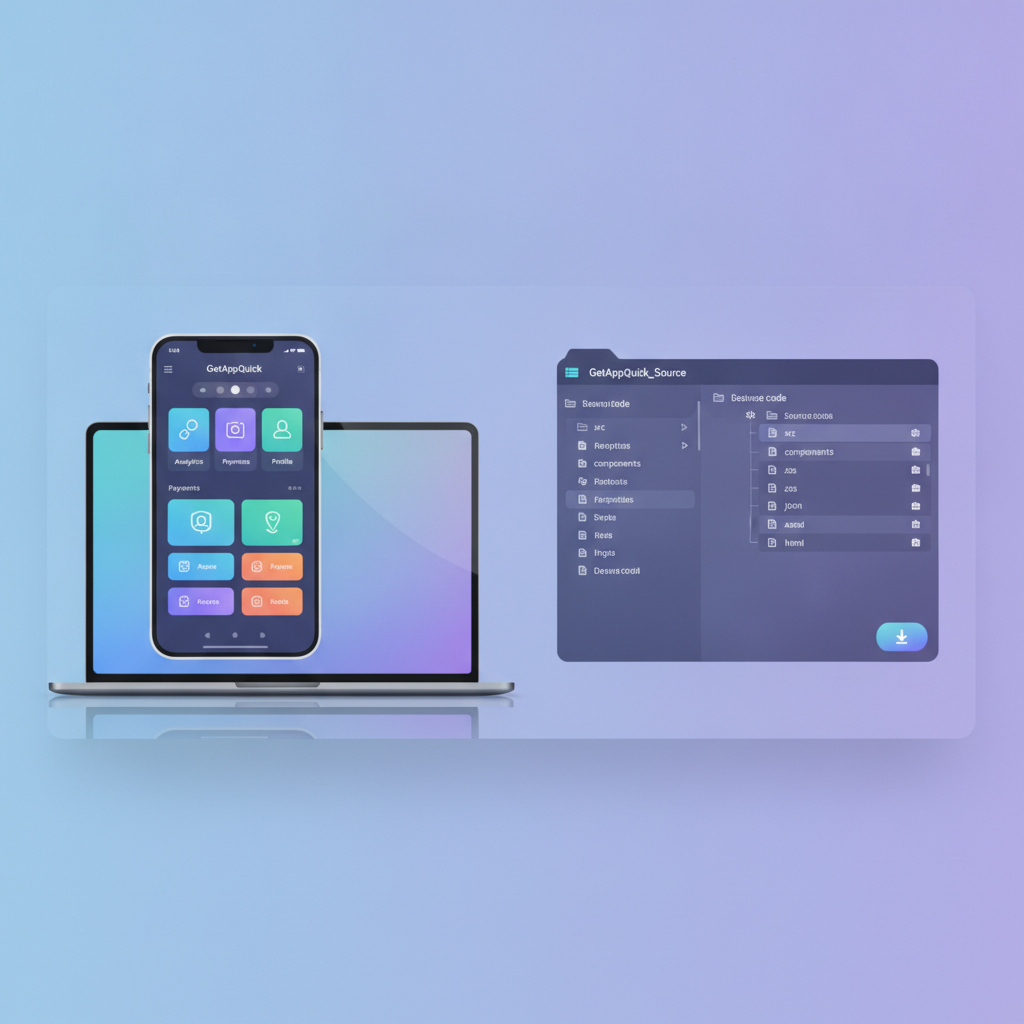
- Human-readable source code in popular languages (Flutter, TypeScript).
- Clear options for data storage: use our managed cloud, or point to your own Firebase/AWS/Supabase instance.
- One-click export of both code and user data.
- Transparent billing and fair terms—no hidden “platform lock-in” clauses.
Throwaway Apps and the Illusion of Privacy
The rise of “disposable” apps—one-off creations for demos, jokes, or internal tools—raises a sneaky problem. Users (and sometimes creators) assume these apps are private or ephemeral. In reality:
- Data often persists in the platform’s cloud long after the app is forgotten.
- Analytics and tracking may still collect usage data.
- Terms of service may allow the provider to analyze, aggregate, or even monetize data from “throwaway” apps.
TypeScript Insight: Where’s Your Data Going?
Here’s an example: Imagine an AI builder generates a simple Next.js web app for surveys. The default backend might look something like:
// /pages/api/submit.ts
import type { NextApiRequest, NextApiResponse } from 'next';

export default function handler(req: NextApiRequest, res: NextApiResponse) {
  // Assume data is sent to platform-managed database
  const body = req.body;
  // Platform inserts analytics or ID tracking here
  // Data not directly accessible to app creator
  res.status(200).json({ received: true });
}
Unless the platform lets you choose your own database or export easily, you may never see your respondents’ raw data—or know what else is being logged.
The Real-World Solution: Control, Choice, and Clarity
What to Look For in an AI App Builder
If you want to ride the “vibe-code” wave without getting burned, here’s what to demand from your platform:
- Source Code Access: Can you download or view the code? Is it readable and modifiable?
- Data Portability: Can you export all user-generated data, in usable formats, at any time?
- Customizable Backends: Do you choose where your data is stored (own cloud, self-hosted, etc.)?
- Clear Terms: Are rights and responsibilities spelled out, without hidden “gotchas”?
- Transparent Analytics: Are you told what’s being tracked, and can you disable it?
GetAppQuick was designed with these principles from day one. For example, DC Codes customers regularly use GetAppQuick to build internal tools where data security is paramount—think HR dashboards, partner portals, or client-facing apps for regulated industries.
Concrete Use Case: Building a Private Team Dashboard
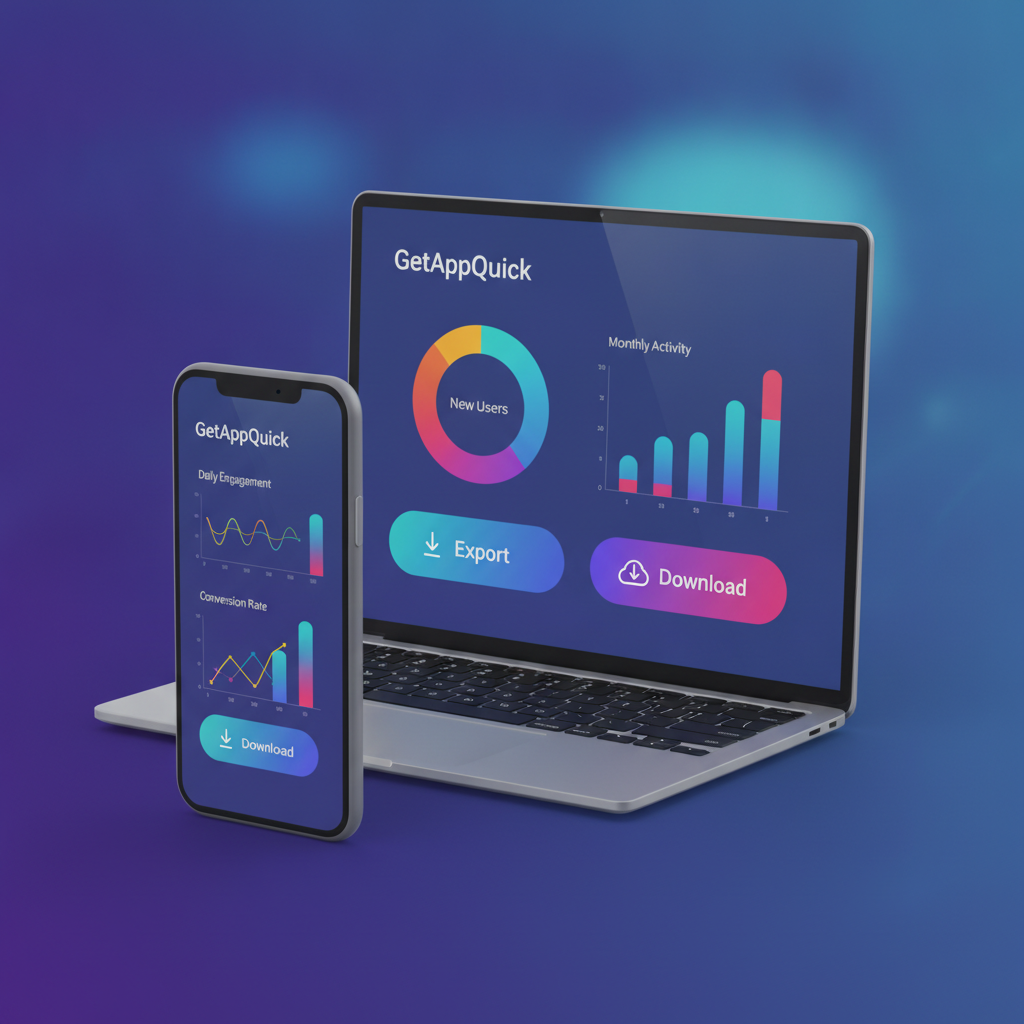
Say you want a dashboard to track team tasks and leave requests. With GetAppQuick:
- You describe your requirements (“I want a team management dashboard with login, task boards, and leave forms”).
- The platform generates a Flutter or React app, with human-readable code.
- You choose to connect your own Firebase instance, ensuring all employee data stays in your GCP account.
- You can export both the code and the database at any time, or deploy to your own servers.
This isn’t “throwaway” development—it’s rapid, responsible prototyping with real ownership.
Key Takeaways
- AI app builders are a revolution in speed and creativity—but can hide risks around ownership and privacy.
- Always check your rights to source code, data export, hosting, and analytics before trusting any platform.
- Throwaway apps may persist data and analytics longer than you realize—read the terms and ask questions.
- Choose platforms (like GetAppQuick) that prioritize transparency, portability, and control.
- If you’re building something meaningful—be it for yourself, your team, or your customers—treat ownership and trust as non-negotiable.
Conclusion: Don’t Just “Vibe”—Own What You Build
The buzz around Base44’s office ads is a sign of our times: building and shipping ideas is easier than ever, but the foundations of trust, ownership, and privacy matter more than ever. Viral platforms will come and go, but your data, your code, and your app’s future shouldn’t be left to chance.
At DC Codes, we believe you can have both speed and substance—shipping MVPs in minutes, owning every line of code and byte of data. GetAppQuick is our answer to today’s instant-app trend: a tool that puts creators in control, not just in the fast lane.
Ready to ship your idea? Build it in minutes with GetAppQuick.