The Quiet Revolution: When Non-Engineers Build Tools with AI
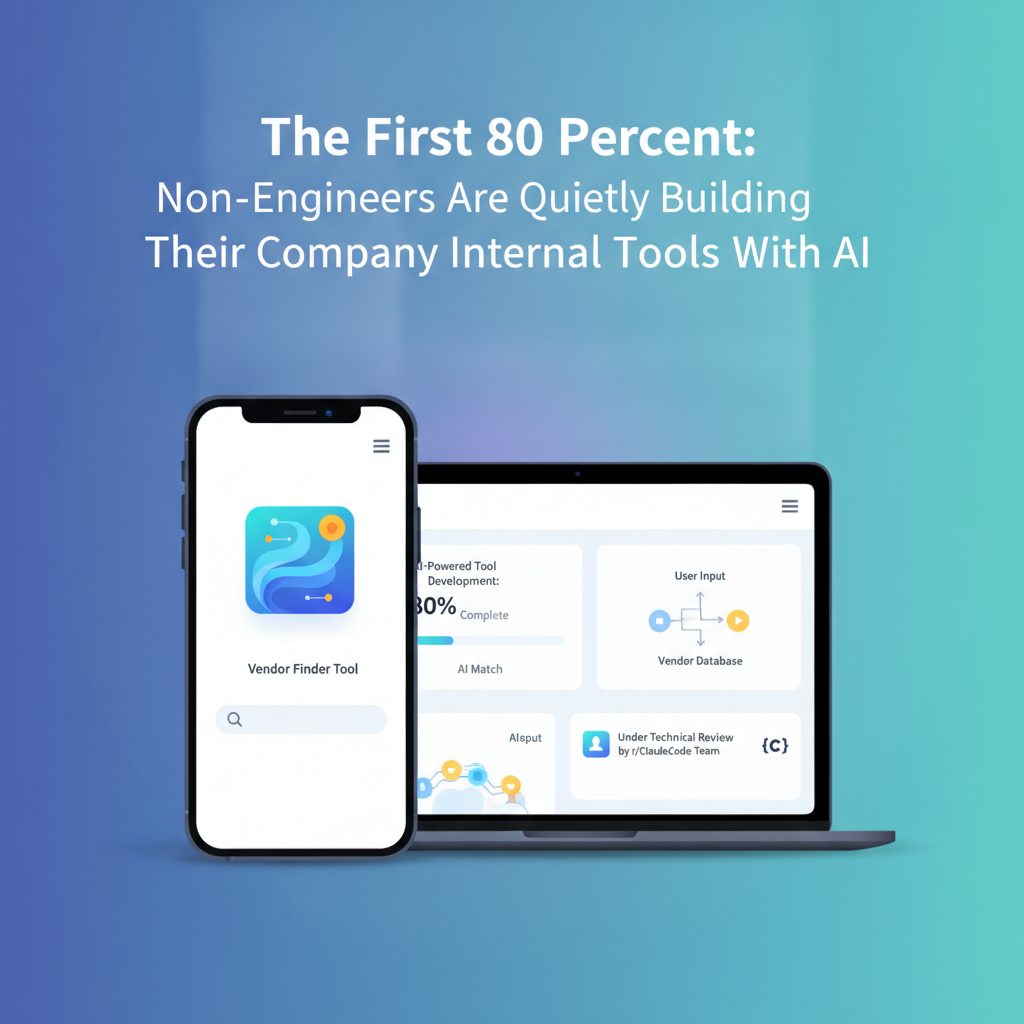
If you’ve spent any time on engineering-themed forums lately, you’ve probably noticed a subtle but seismic shift underway. A post on r/ClaudeCode recently highlighted this: a non-developer shared their journey building a full-featured vendor-finder tool for their company—without writing a line of traditional code. Their secret weapon? AI-powered app builders that bridge the gap between business need and technical execution.
This is more than a curiosity. At DC Codes, we’re seeing it become the new norm. Frontline teams, operations managers, even HR and finance professionals are now quietly building – and shipping – the first 80 percent of their internal tools using AI. The final 20 percent (security reviews, integration polish, scaling up) still needs engineering rigor. But the early momentum is real, and it’s fundamentally changing how organizations approach software creation.
If you’re ready to try this for yourself, our own GetAppQuick platform lets you turn a plain business idea into a working app fast—no large dev team required. But let’s dig deeper: why is this happening, how does it work in practice, and what should your tech team know about the “AI citizen developer” trend?
Why the First 80 Percent Matters
Traditionally, building internal tools started with a request to the IT or engineering team. Weeks (or months) later, a requirements doc would surface. Then come sprints, reviews, merged pull requests, and—eventually—the MVP.
But here’s the new reality: for many business use cases, that long cycle is a luxury teams can’t afford. As AI-driven app builders become more accessible, non-engineers can now:
- Translate their needs into working tools—fast.
- Iterate in real time, without waiting for a dev's availability.
- Build prototypes to “show, not tell” what they want.
The result? The first 80 percent of an internal tool—a working UI, basic data flows, and real business value—is now achievable by people who wouldn’t have touched code even a year ago.
Case Study: The AI-Built Vendor Finder
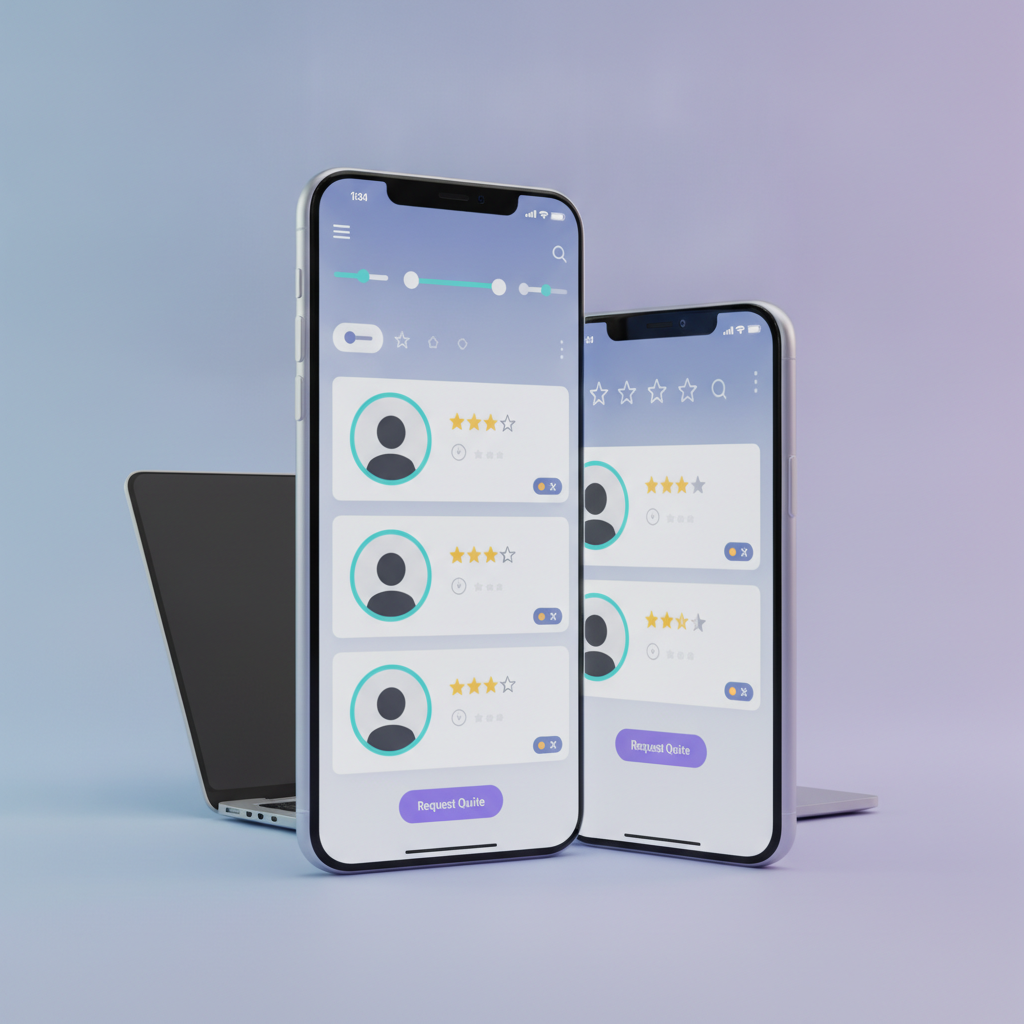
On r/ClaudeCode, an office manager shared how they created a vendor-finder tool using an AI app builder. Their goal? Replace a clunky spreadsheet with a searchable, filterable interface where team members could quickly look up approved vendors, see ratings, and request quotes.
Here’s how it unfolded:
- Idea: Centralize vendor data and make it actionable.
- Process: Describe the desired app, upload the vendor spreadsheet, ask the AI to generate search and filter screens.
- Outcome: In less than a day, the tool was up and running, gathering feedback from users.
When the IT team reviewed the app, they found the core logic sound and the UX surprisingly polished. Their feedback centered on security, authentication, and integrating with internal APIs—a manageable “last mile” effort.
How AI Bridges the Gap From Idea to App
Let’s break down how non-engineers are able to build so much, so quickly:
1. Natural Language Prompts
Tools like GetAppQuick allow users to describe what they want in plain English (or Vietnamese, or any supported language):
“I need an internal tool where our team can search for approved vendors, view ratings, and submit a quote request.”
The AI parses this, proposes a data structure, then generates code, UI, and workflows behind the scenes.
2. Visual App Builders
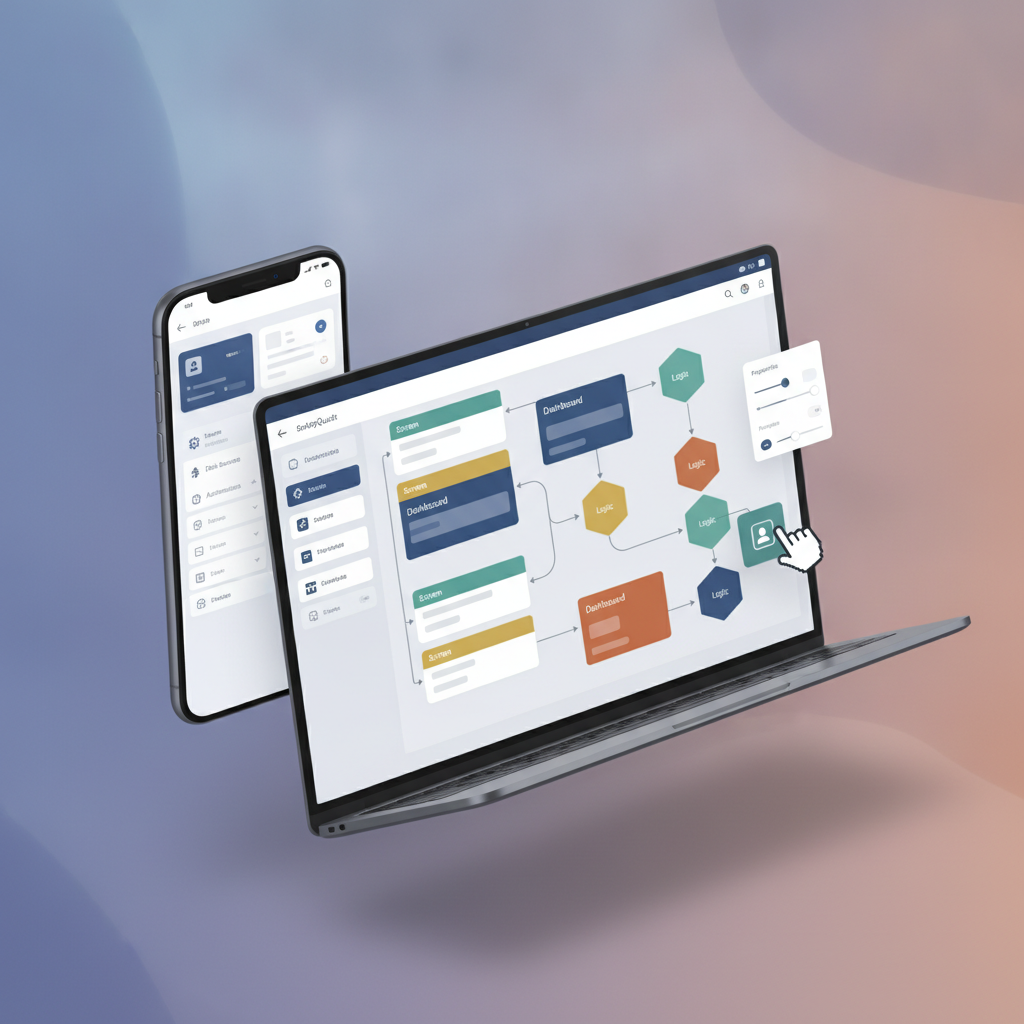
Instead of writing code, users manipulate components on a visual canvas. They can drag in a Data Table, add filters, and connect a “Request Quote” form—all with point-and-click actions.
Here’s a simplified Flutter (Dart) example of what might be generated behind the scenes:
List<Vendor> vendors = // fetched from storage
List<Vendor> filteredVendors = vendors.where((v) =>
    v.name.contains(searchQuery) &&
    v.category == selectedCategory
).toList();
The end user never sees this code, but the AI quietly handles the logic.
3. Instant Data Integration
Want to connect to a spreadsheet, database, or cloud storage? With AI-guided prompts, users just upload their data and map fields visually. For example, mapping Excel columns to app fields happens in minutes, not hours.
4. Real-Time Preview and Feedback
As the tool takes shape, users see changes live. They can tweak the layout, adjust filters, or test workflows—without waiting for a deployment pipeline.
What the Tech Team Should Know
For engineering teams, this trend is both an opportunity and a challenge. The first 80 percent of these AI-built tools are “good enough” for business teams to use and iterate on. But the final 20 percent—robust authentication, secure data access, compliance, API integrations—still requires technical oversight.
1. Review and Harden
Non-engineers can get apps to MVP, but security reviews are non-negotiable. Tech teams should:
- Audit authentication flows: Is sensitive data protected?
- Review data handling: Are user uploads sanitized?
- Check integrations: Are API keys and secrets managed securely?
2. Guide for Scale
AI-generated apps are great for small teams and limited scope. Engineering input ensures they don’t become “shadow IT” liabilities as usage grows.
3. Enable, Don’t Block
The best tech teams embrace this trend. By providing templates, code snippets, or best practices for tools like GetAppQuick, they empower colleagues to build safely and effectively.
Practical Example: From Spreadsheet to App in Minutes
Let’s walk through a mini-scenario using GetAppQuick:
- Step 1: The HR manager uploads a spreadsheet of contractors.
- Step 2: They tell the AI: “Build an app so team leaders can filter contractors by skill, location, and availability.”
- Step 3: GetAppQuick proposes a UI with filters, a detail view, and a booking form.
- Step 4: The manager tweaks the layout visually, adds a custom approval workflow, and shares the app link.
Example TypeScript snippet (abstracted by the builder):
const filteredContractors = contractors.filter(c =>
  c.skills.includes(selectedSkill) &&
  c.location === selectedLocation &&
  c.available === true
);
The manager never touches this code directly—the AI builder handles it based on user intent.
The Bigger Picture: Empowerment and Efficiency
This isn’t about replacing engineers; it’s about unblocking business teams to solve their own problems. When frontline staff can create tools that fit their immediate needs, the entire organization moves faster. Tech teams become enablers and reviewers, not bottlenecks.
There’s also a cultural shift: when non-engineers see their ideas come to life in hours, it builds confidence and creativity. Suddenly, more teams are willing to try digital solutions—and the company’s internal innovation accelerates.
Key Takeaways
- AI app builders are democratizing software creation: Non-developers can now build the first 80 percent of many internal tools themselves.
- Engineering oversight is still essential: The final 20 percent—security, compliance, deep integrations—requires technical reviews.
- Platforms like GetAppQuick make this practical: With natural language prompts and visual builders, anyone can ship basic tools in minutes.
- The role of engineering evolves: From “gatekeeper” to “guide and enabler,” tech teams help scale and secure these new tools.
- The future is collaborative: Business and tech teams working together, with AI as the bridge, drives faster and safer innovation.
Conclusion
The AI-driven revolution in internal tool building is here—and it’s not just for the devs. Whether you’re an operations manager, a sales leader, or a small business owner, you can now go from idea to working app in a fraction of the time.
At DC Codes, we’re proud to power this movement with GetAppQuick—a platform built for anyone who wants to turn ideas into apps, without waiting for a big dev team.
Ready to ship your idea? Build it in minutes with GetAppQuick.