Introduction
Not long ago, turning an app idea into reality meant months of coding, design, and deployment — usually by a dedicated team. Today, thanks to drag-and-drop builders, powerful frameworks, and AI-generated code, building an app has become surprisingly accessible. Platforms like GetAppQuick empower anyone with an idea (and a few spare hours) to go from concept to clickable app, no engineering degree required.
Yet, as highlighted in a viral r/vibecoding post, we’re facing a new paradox: “Everyone can build an app now — almost nobody knows what to build.” Execution is easier than ever, but choosing what to build is harder, and arguably, more important.
This post explores why idea selection has become the key challenge, how to identify what’s worth building, and practical steps (with code!) to go from idea to launching your next app. We’ll share lessons from DC Codes’ experience, demonstrate with code examples in Flutter and TypeScript, and show how tools like GetAppQuick can help you act on your best ideas — before the moment passes.
The New Reality: Apps for All
The software world has radically shifted. What once required rare technical skills and big teams is now accessible to solo founders, entrepreneurs, and even hobbyists.
- Drag-and-drop builders (like GetAppQuick) generate robust apps from simple prompts or wireframes.
- Open-source libraries and component marketplaces mean you rarely start from scratch.
- Cross-platform frameworks (Flutter, React Native) let you target iOS, Android, web, and desktop in one go.
- AI code generation and low-code tools automate the busywork and even suggest features.
Building isn’t the bottleneck anymore — building the right thing is.
Why Picking the Right App Idea Got Harder
1. The Market is Flooded
There are literally millions of apps across app stores. For every “Uber for X” or “To-do app, but with AI,” there are hundreds of clones and near-identical tools. Standing out requires more than just execution.
2. User Expectations Have Skyrocketed
Today’s users expect beautiful UX, seamless onboarding, dark mode, accessibility, and instant cloud sync — even from indie apps. Meeting these bar-raising standards can be overwhelming.
3. The Opportunity Space is Shifting
New tech (AI, AR, crypto), changing work habits, and social shifts create openings — but the noise makes it tough to spot what’s genuinely valuable versus another passing trend.
In short: Success is less about can you build it and more about should you build it.
A Practical Framework for Finding Great App Ideas
Let’s get actionable. At DC Codes, we use a simple but effective checklist to vet app ideas before investing time:
1. Start With Problems, Not Solutions
Ask: What real-world pain point does my app solve?
- “I want to build a journaling app” is weak.
- “I want to help remote teams share daily wins asynchronously, to boost morale” is strong.
2. Talk to Real Users (Even if Just 5)
Before building, talk to potential users. Use quick surveys, Reddit threads, or LinkedIn DMs. Listen for phrases like “I wish there was a tool for…” or “I hate how…”
3. Research the Competition
- Search app stores, Product Hunt, and GitHub for similar solutions.
- Check reviews — what do current users like/dislike?
- Identify a gap: Is it better UX? Localization? A missing integration?
4. Validate (Before You Code)
You can validate with:
- Landing pages (collect emails for early access)
- Clickable prototypes (Figma, InVision)
- Tiny MVPs using tools like GetAppQuick
5. Prioritize Speed to Feedback
Aim for “minimum lovable product” in days, not months.
Example: From Idea to MVP in Days
Let’s see how this plays out with a concrete example.
The Pain Point
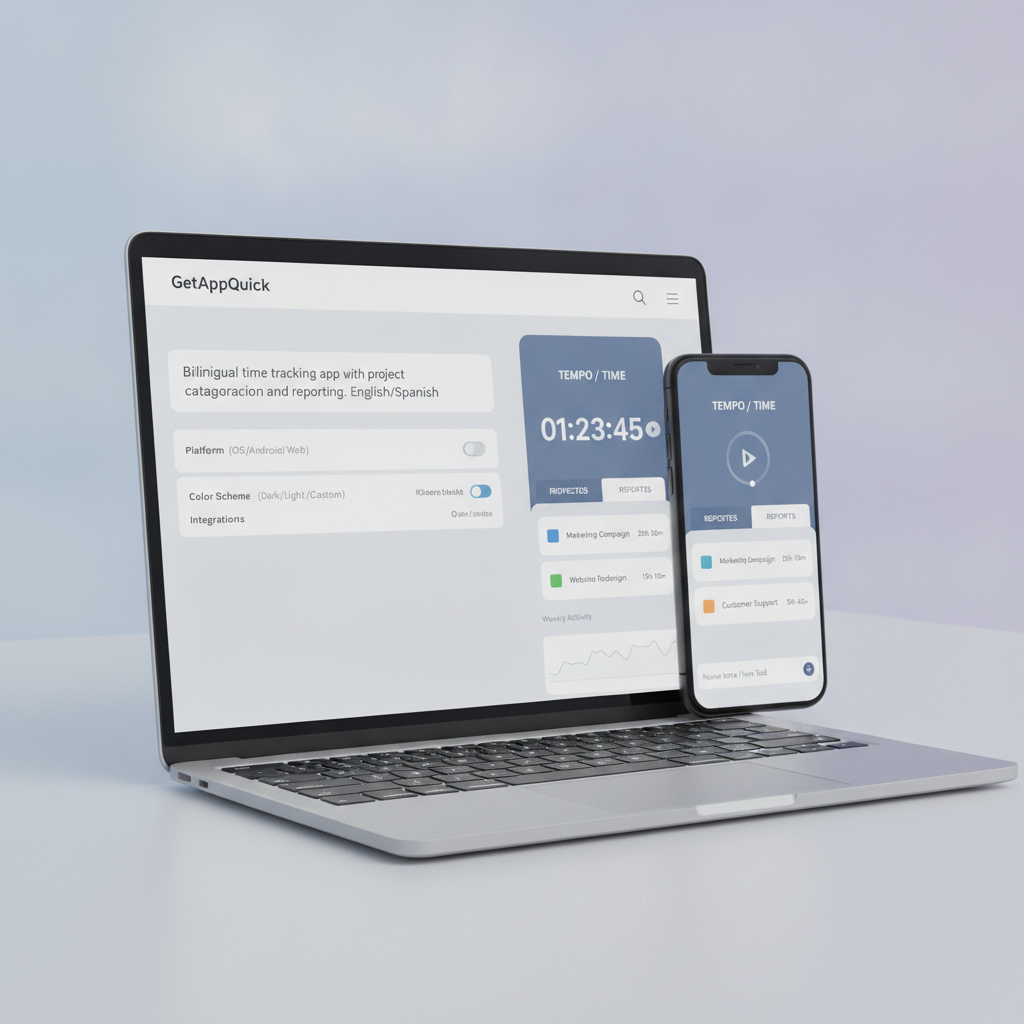
Remote freelancers struggle to track project time and sync it with invoices. Existing apps are too bloated, expensive, or lack language support for Vietnamese freelancers.
Quick Validation
- Post in local freelancer groups: “Would a simpler, bilingual time tracker help you?”
- 12 positive replies in 24 hours.
Prototype Fast with GetAppQuick
With GetAppQuick, you can type your idea — “A minimal time tracker for freelancers with bilingual support, cloud sync, and simple invoice export” — and generate a working prototype.
Minimal Flutter MVP
Want to code a quick MVP yourself? Here’s a simplified Flutter timer widget:
class TimeTracker extends StatefulWidget {
  @override
  _TimeTrackerState createState() => _TimeTrackerState();
}

class _TimeTrackerState extends State<TimeTracker> {
  Stopwatch _stopwatch = Stopwatch();
  late Timer _timer;

  @override
  void initState() {
    super.initState();
    _timer = Timer.periodic(Duration(seconds: 1), (timer) {
      if (_stopwatch.isRunning) setState(() {});
    });
  }

  @override
  void dispose() {
    _timer.cancel();
    super.dispose();
  }

  void _startStop() {
    setState(() {
      _stopwatch.isRunning ? _stopwatch.stop() : _stopwatch.start();
    });
  }

  void _reset() {
    setState(() {
      _stopwatch.reset();
    });
  }

  @override
  Widget build(BuildContext context) {
    final elapsed = _stopwatch.elapsed;
    return Column(
      mainAxisAlignment: MainAxisAlignment.center,
      children: [
        Text('${elapsed.inHours.toString().padLeft(2, '0')}:${(elapsed.inMinutes % 60).toString().padLeft(2, '0')}:${(elapsed.inSeconds % 60).toString().padLeft(2, '0')}',
          style: TextStyle(fontSize: 36)),
        Row(
          mainAxisAlignment: MainAxisAlignment.center,
          children: [
            ElevatedButton(onPressed: _startStop, child: Text(_stopwatch.isRunning ? 'Stop' : 'Start')),
            SizedBox(width: 10),
            ElevatedButton(onPressed: _reset, child: Text('Reset')),
          ],
        ),
      ],
    );
  }
}
Within a few hours, you can have a basic, testable product. From there, rapidly gather feedback and iterate.
The Trap: Building Without Validation
A common pitfall — especially now that building is easy — is shipping features nobody wants. We’ve all seen beautiful apps with no users. Here’s how to avoid that fate:
- Don’t overbuild. Launch with one core feature, not ten.
- Ship ugly, but usable. Design polish can come later.
- Get it into users’ hands ASAP. The sooner you get real-world usage, the sooner you know if you’re on the right track.
Real-World Use Case: Solving Local Problems at Scale
Vietnam’s rapidly evolving tech scene is full of “micro-problems” ripe for app solutions — but often ignored by global startups.
- Local regulations (e-invoice formats, government IDs)
- Language nuances (Vietnamese TTS, keyboard layouts)
- Cash-oriented commerce, informal worker networks
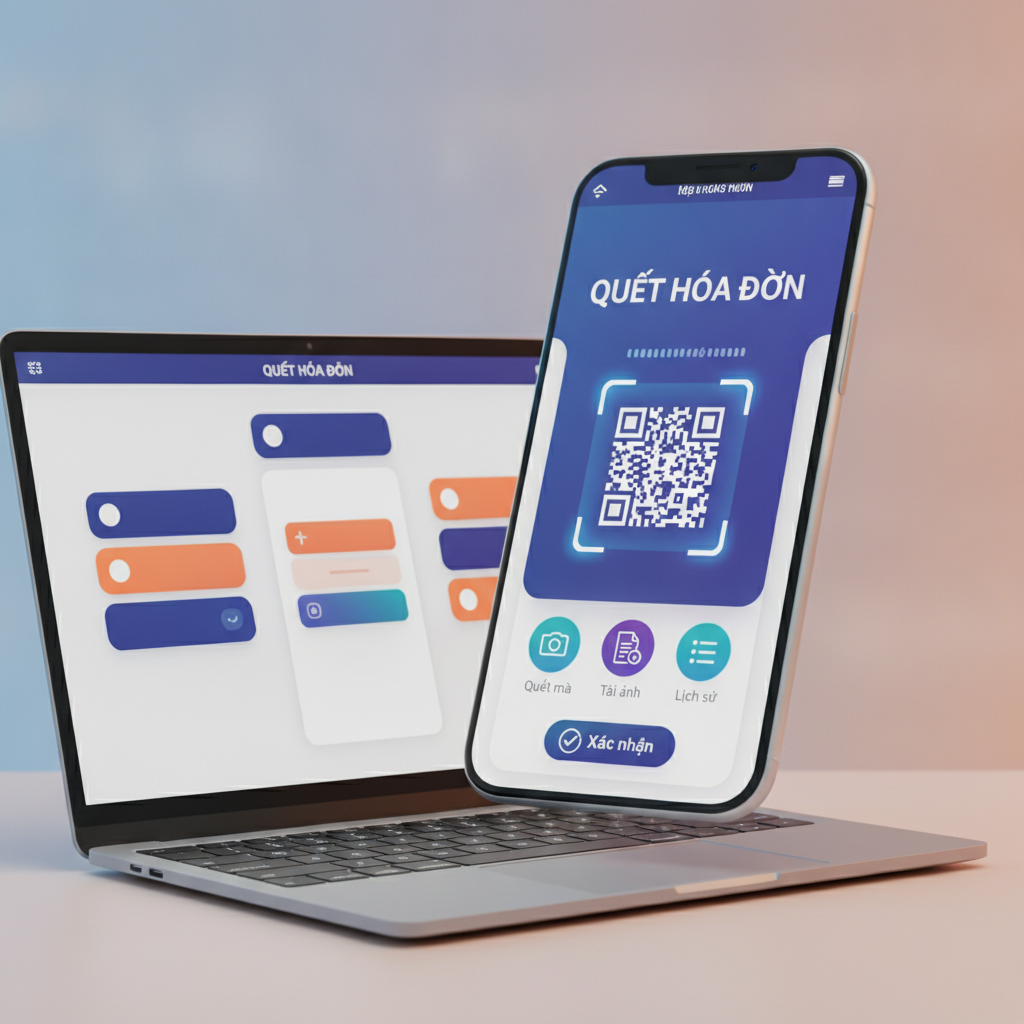
Using GetAppQuick, a Hanoi-based founder built a custom “scan-to-pay” QR invoice tool for small markets, in Vietnamese, and rolled it out in less than a week — a timeline once unthinkable.
Code Example: Lightning-Fast Prototyping in TypeScript
For web apps, TypeScript + React (or Next.js) is perfect for quick MVPs. Here’s a snippet to render a time log table:
type TimeEntry = {
  project: string;
  start: Date;
  end: Date;
};

const timeEntries: TimeEntry[] = [
  { project: 'Website Redesign', start: new Date('2024-06-01T09:00'), end: new Date('2024-06-01T11:30') },
  // ... more data
];

export function TimeLogTable() {
  return (
    <table>
      <thead>
        <tr>
          <th>Project</th>
          <th>Start</th>
          <th>End</th>
          <th>Duration</th>
        </tr>
      </thead>
      <tbody>
        {timeEntries.map((entry, idx) => (
          <tr key={idx}>
            <td>{entry.project}</td>
            <td>{entry.start.toLocaleString()}</td>
            <td>{entry.end.toLocaleString()}</td>
            <td>
              {((entry.end.getTime() - entry.start.getTime()) / 60000).toFixed(0)} min
            </td>
          </tr>
        ))}
      </tbody>
    </table>
  );
}
You can deploy this UI with Vercel or Netlify in minutes, iterate, and watch users interact.
The Mindset Shift: From Developer to Product Thinker
Modern tools free us from most technical constraints. The limiting factor now is creativity, curiosity, and empathy for user needs.
- Technical skills are a multiplier, not a prerequisite. Focus on understanding users and solving real problems.
- Validate ruthlessly. Don’t fall in love with your code — fall in love with your users’ success.
- Leverage tools like GetAppQuick for rapid prototyping and iteration, so you can test more ideas with less risk.
Key Takeaways
- App creation is easier than ever: With tools like Flutter, TypeScript, and especially platforms like GetAppQuick, anyone can build and ship apps — fast.
- Choosing the right idea is harder (and more valuable): The bottleneck is understanding what should be built, not how.
- Start small, validate quickly: Talk to users, solve real pain points, and test with MVPs before scaling.
- Local and niche problems are goldmines: Especially in under-served markets or untapped use cases.
- Adopt a “product-first” mindset: Combine user insight and rapid prototyping for maximum impact.
Conclusion
We’re living in a golden age of software creation. The barriers to building are lower than ever, but the art of choosing what to build has never been more critical. By focusing on user problems, validating ideas quickly, and leveraging platforms like GetAppQuick, anyone can turn a great idea into an app that matters.
Ready to ship your idea? Build it in minutes with GetAppQuick.